
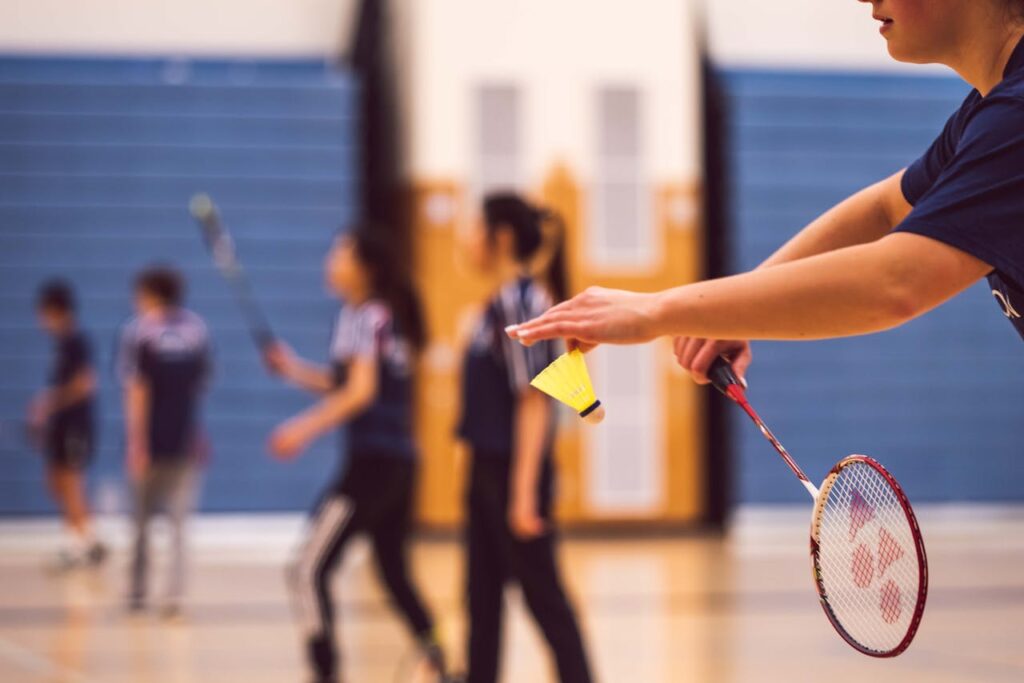
In today’s academic environment, there’s a growing emphasis on STEM subjects, standardized testing, and college preparation. While these are undoubtedly important, the role of physical education (PE) in schools is equally vital yet often undervalued. Physical education isn’t just a break from academics; it’s a crucial component of a well-rounded education, offering benefits that extend far beyond the gymnasium. Here’s why physical education should be a core part of the school curriculum.
1. Promoting Lifelong Health and Fitness
One of the primary goals of physical education is to instill a love for physical activity that students carry into adulthood. In a world where sedentary lifestyles are increasingly common, PE classes provide students with the knowledge and skills they need to maintain their physical health throughout their lives. This includes teaching students about different forms of exercise, the importance of staying active, and how to make fitness a regular part of their daily routine.
2. Combating the Obesity Epidemic
Childhood obesity is a growing concern globally, and physical education plays a critical role in combating this epidemic. Regular physical activity helps students manage their weight, reduce the risk of developing chronic health conditions such as diabetes and heart disease, and improve their overall physical health. By making PE a core part of the curriculum, schools can help ensure that students get the necessary amount of physical activity each day.
3. Enhancing Academic Performance
There is a strong link between physical activity and academic performance. Studies have shown that students who participate in regular physical activity tend to perform better academically. This is because exercise boosts brain function, improves memory and concentration, and reduces stress and anxiety. By incorporating PE into the daily schedule, schools can help students not only stay fit but also excel in their studies.
4. Developing Social Skills and Emotional Well-being
Physical education isn’t just about physical health; it also plays a key role in developing social and emotional skills. Through team sports and group activities, students learn valuable life skills such as teamwork, leadership, communication, and sportsmanship. These experiences help build character, foster a sense of belonging, and improve emotional well-being.
Moreover, physical activity has been shown to reduce symptoms of depression and anxiety, making PE an important tool for supporting students’ mental health. In a time when mental health issues are on the rise among young people, physical education provides a healthy outlet for stress and emotional challenges.
5. Encouraging Discipline and Perseverance
Physical education teaches students the importance of discipline, perseverance, and setting goals. Whether it’s improving their running time, mastering a new sport, or working together as a team to win a game, students learn that effort and determination are key to success. These lessons extend beyond the gym and are applicable to all areas of life, including academics and personal relationships.
6. Creating a Balanced Education
A well-rounded education is one that balances academic rigor with opportunities for personal growth and development. Physical education contributes to this balance by providing a space where students can develop their physical abilities, mental resilience, and social skills. It complements academic subjects by offering a holistic approach to education that prepares students for all aspects of life.
Conclusion
Physical education should not be viewed as an optional or secondary part of the school curriculum. Instead, it should be recognized as a core subject that plays a vital role in the overall development of students. By making PE a priority, schools can ensure that students grow up healthy, well-rounded, and prepared for the challenges of life.
Investing in physical education is an investment in the future well-being of our children. It equips them with the tools they need to lead active, healthy lives and succeed both inside and outside the classroom. As we continue to prioritize academic excellence, let’s not forget the equally important role of physical education in shaping the minds and bodies of tomorrow’s leaders.